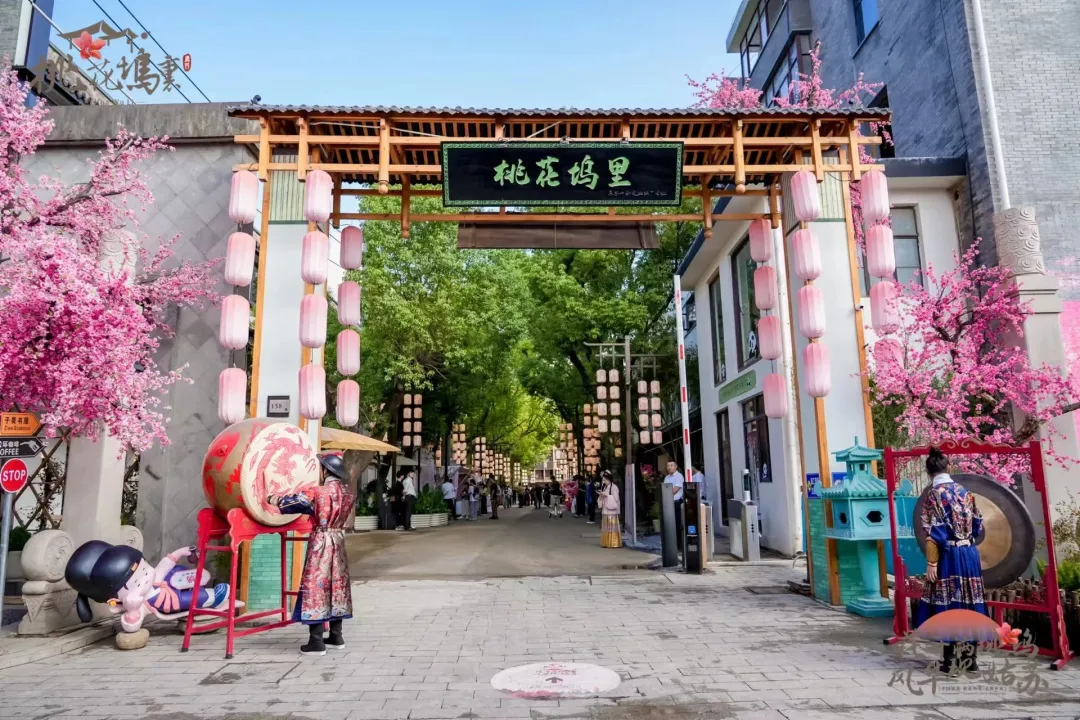
China News Service: Reconstructing Cultural Context with the "Tang Bohu" IP, DoBe TAOHUAWU Creates an Urban Regeneration Model of "Ancient Origins, New Beginnings"
Recently, China News Service published an in-depth report titled "Revitalizing a Millennium-Old Cultural Heritage, Suzhou's Old Factory Buildings Become a New Landmark for Regional Cultural-Commercial-Tourism Integration", highlighting the innovative practices and industry convergence of the DoBe TAOHUAWU poject.
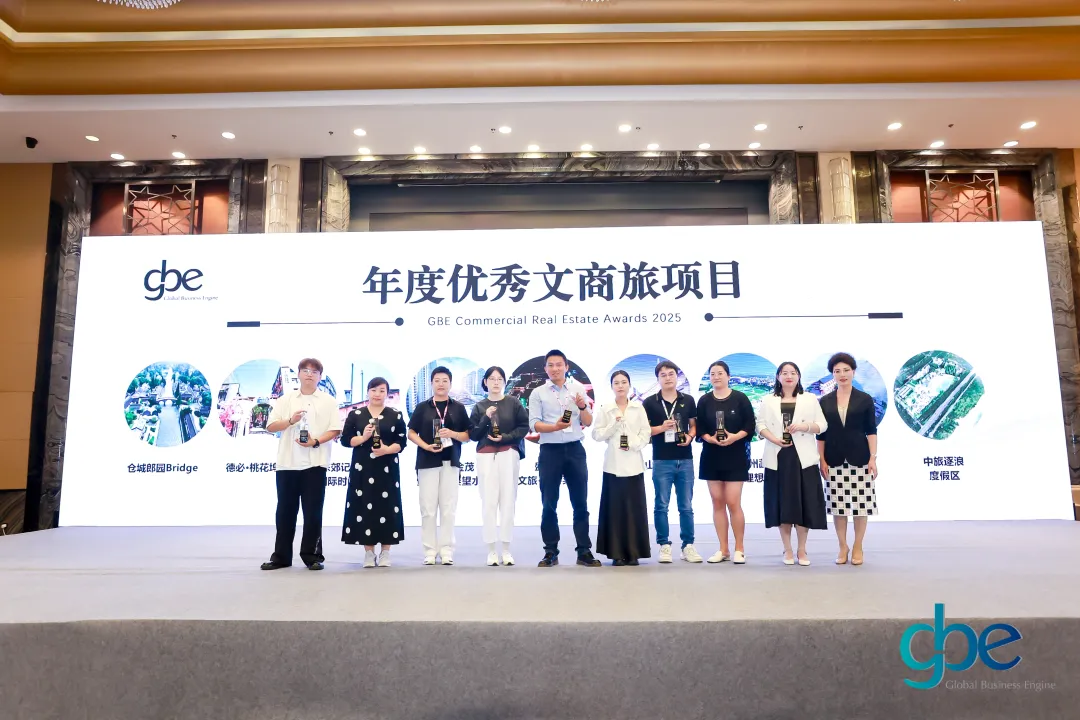
Below is the full text of the report:
Recently, at the 13th GBE Commercial Real Estate & Retail Innovation Forum & GBE Commercial Real Estate Awards 2025, DoBe TAOHUAWU won the "Outstanding Cultural, Commercial and Tourism Project of the Year". The project is located in the Taohuawu Historical and Cultural District of Gusu, Suzhou. It was transformed from the former site of the Xinguang Silk Weaving Factory through a collaboration between Suzhou Historic City Group and DoBe Group, officially opening in September 2024. By revitalizing old industrial spaces and centering on the "Tang Bohu" IP, the project builds a new ecosystem where tradition and modernity coexist, and culture and commerce thrive together, rooted in the thousand-year cultural heritage of the Taohuawu Historical and Cultural District in Gusu.
Awakening Historical Texture: From Industrial Factory to Cultural Landmark
The foundation of Taohuawu is deeply embedded in the historical fabric of Suzhou. This land, located at the pivotal axis of Gusu, was renowned for its peach groves during the Tang and Song dynasties. By the Ming dynasty, it became immortalized as a spiritual retreat for literati through Tang Bohu's poetic line, "In the Peach Blossom Land there is a peach blossom plot". By the late Ming and early Qing dynasties, it was celebrated alongside Tianjin's Yangliuqing as "Southern Peach and Northern Willow", establishing itself as a cultural landmark for woodblock New Year prints. In modern times, this area has transformed into a distribution hub for Suzhou's traditional handicrafts—workshops for bamboo and wood carving, ivory carving, fan making, and others have perpetuated the vibrant local culture here for centuries. In 1956, the Xinguang Silk Weaving Factory was established here. As one of Suzhou's five major silk weaving factories, it witnessed the rise and fall of the silk weaving industry and left behind a 35,000-square-meter factory complex as a testament to its legacy.
The transformation of this project not only involves the renovation of physical spaces but also the awakening of historical memory. Rather than erasing traces of the industrial era, the redesign fosters a natural dialogue between the skeleton of the old factory and the cultural heritage of the Jiangnan region: the original architectural framework of the silk weaving factory is preserved intact, where mottled brick walls intersect with modern design language, creating a rhythm that bridges past and present. Former production spaces have been revitalized with new functions: the rooftop of Building 6 has been converted into the highest Suzhou-style garden in the Gusu District, offering panoramic views of the chessboard-like streets and alleyways below, evoking the ancient imagery of "leaning half-drunk on the railing, gazing out at the seven weirs, eight gates, and sixty neighborhoods". Within the original factory spaces, the "Master Workshop" introduces intangible cultural heritage craft brands and studios, providing a permanent home for traditional arts such as woodblock New Year prints and Suzhou embroidery. Through such designs, the industrial site is no longer a cold, static structure but has become a "cultural anchor" that connects the elegance of the Tang and Song dynasties, the ingenuity of the Ming era, and the vibrancy of contemporary life.
The Contemporary Interpretation of Local IP: Cultural Resonance Centered on "Tang Bohu"
"Tang Bohu" is not merely a historical symbol but the most vibrant cultural DNA of the Taohuawu. Located near Tang Bohu's former residence, the project takes "Tang Bohu" as its core IP, achieving a profound transformation from symbol to experience. In spatial design, Tang Bohu's poetic and artistic elements permeate the details: the Manxin Mansion Hotel integrates Taohuawu woodblock prints and Tang Bohu's calligraphy, with room decor recreating "poetic sojourns"; the Grand House draws inspiration from Tang Bohu's "poetic wine life" with friends, blending Suzhou classical style with youth culture to create a social space that merges tradition and trend.
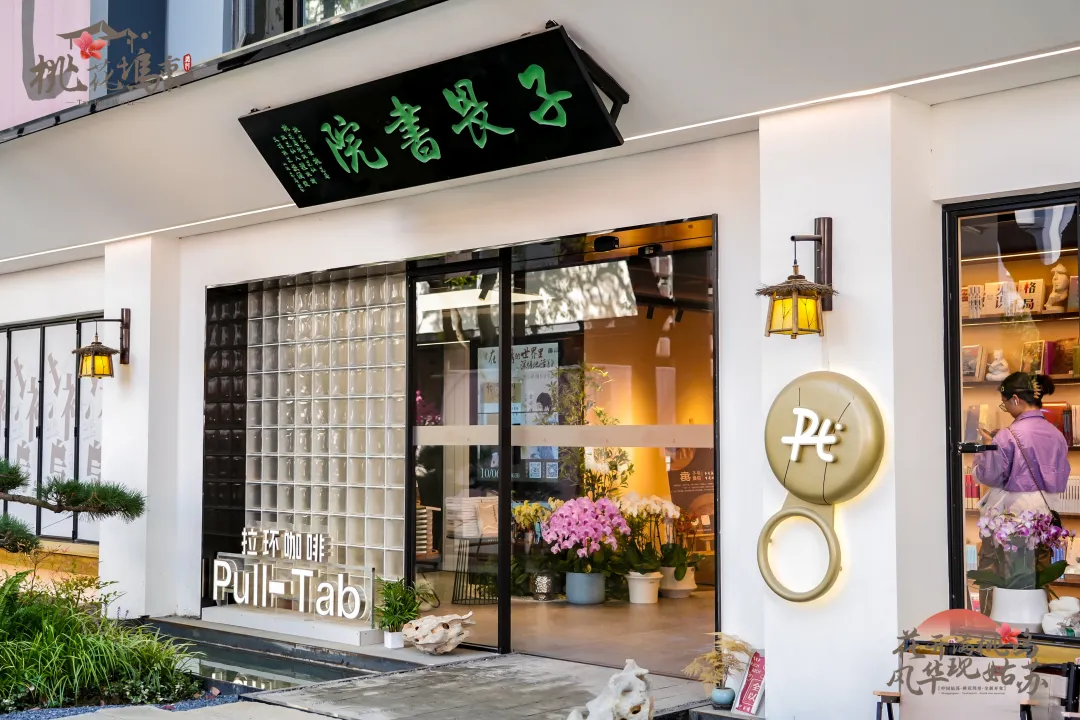
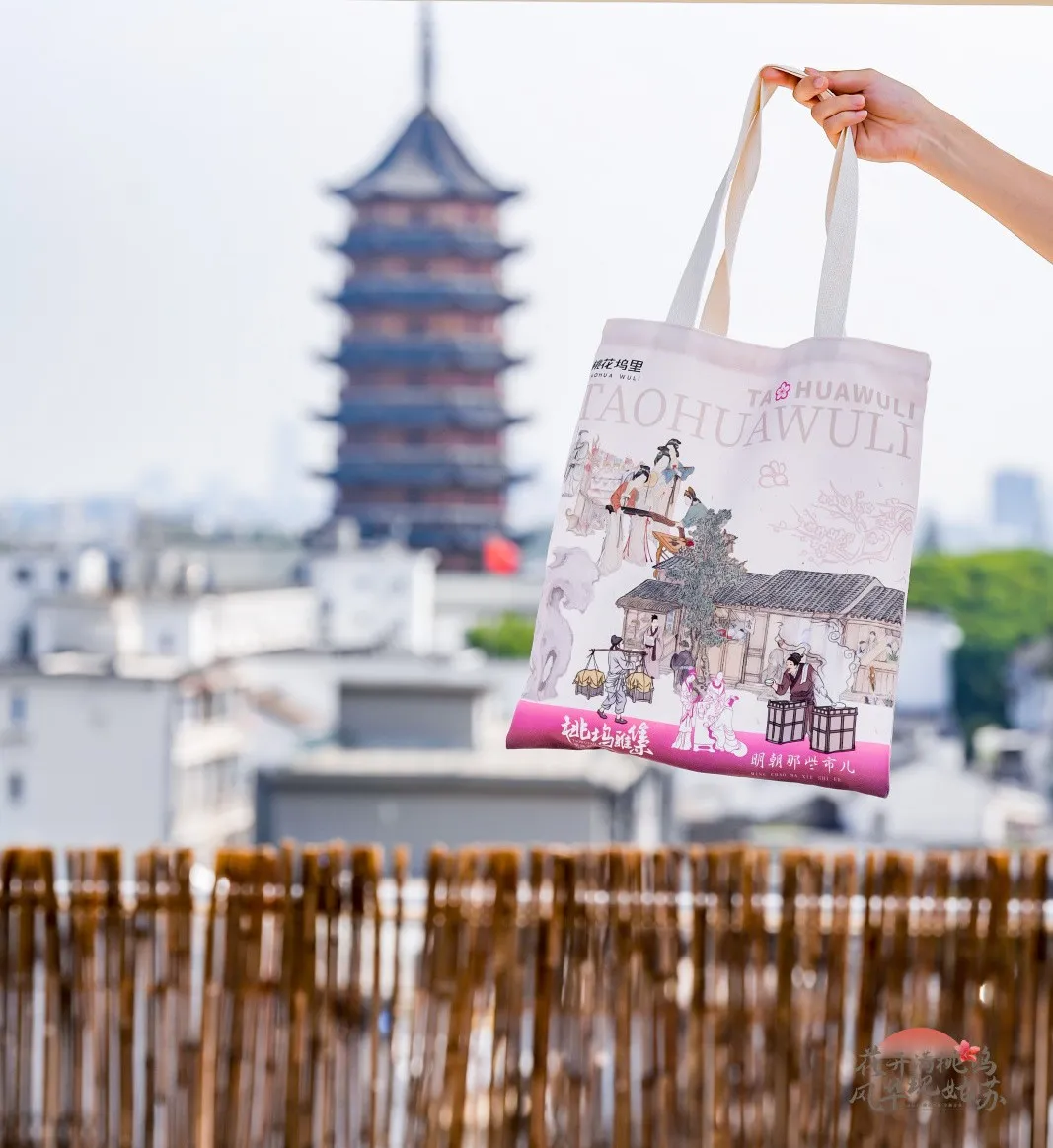
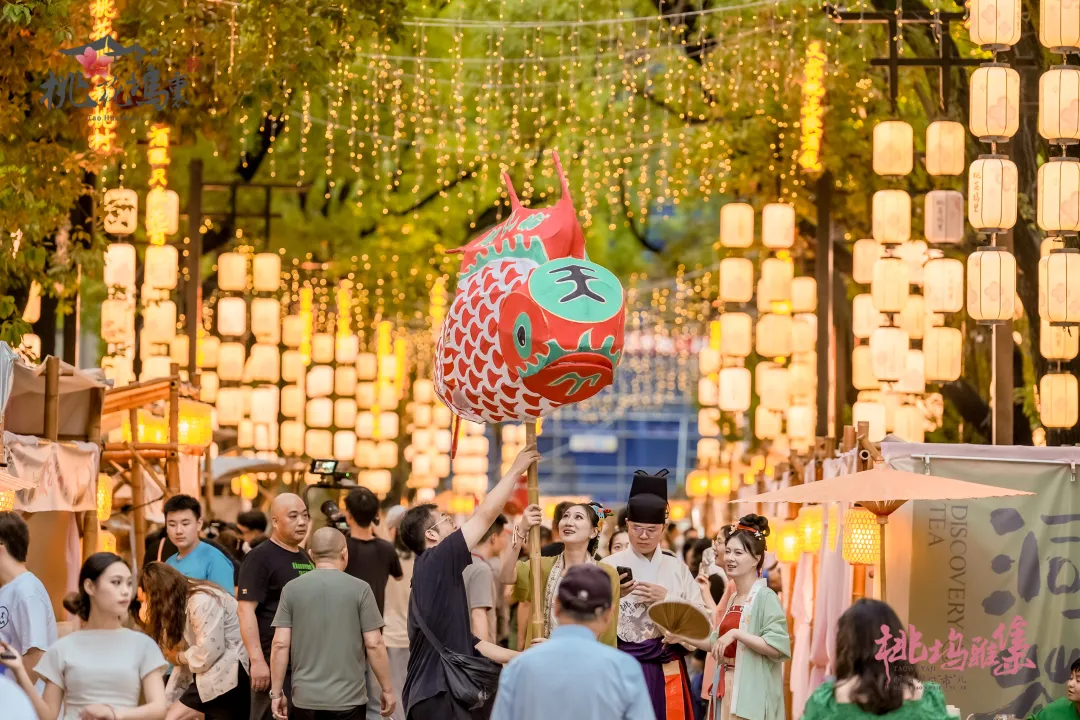
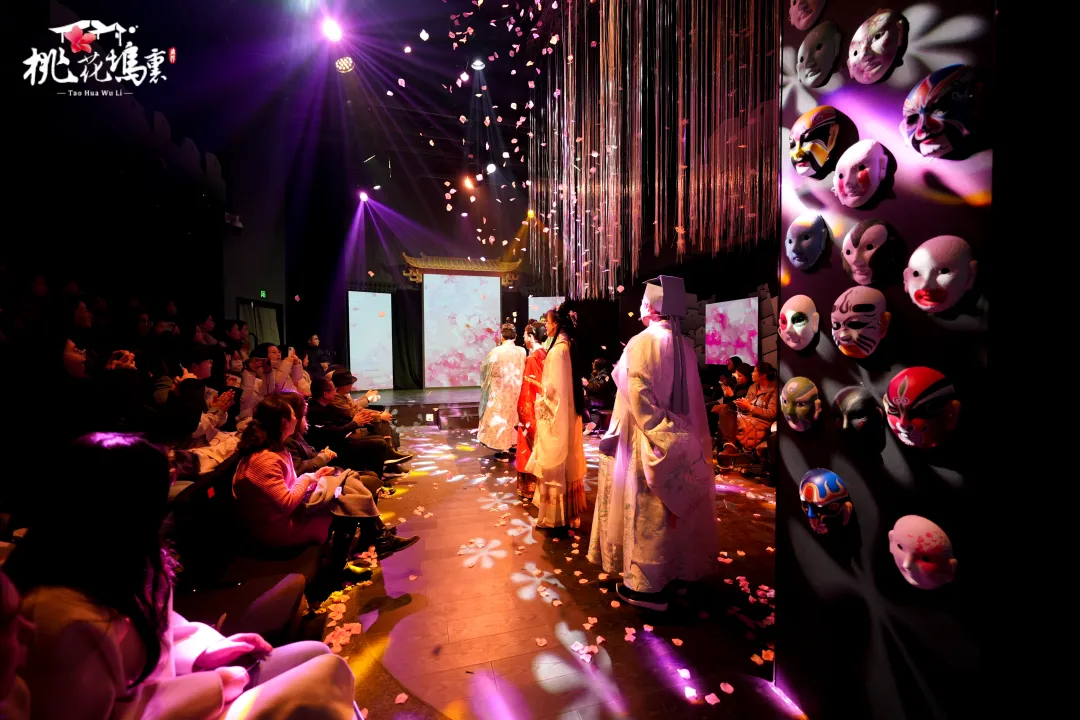
In cultural activities, this IP is further activated: The Ziwei Academy, named after Tang Bohu's alias, serves not only as a reading space but also as a platform for dialogue between past and present. Scholars like Professor Liang Yong'an from Fudan University and literary critic Wang Zhaoqian have hosted sharing sessions here, sparking intellectual exchanges. The "Taowu Elegant Gathering" recreates the bustling markets of the Ming Dynasty, with lantern decorations and traditional-style stalls transporting visitors to the lively scenes depicted in "The Song of Peach Blossom Plot". The self-operated Taohuawu Theater presents the immersive drama "Peach Blossoms Remain — Tang Bohu", which breaks traditional performance boundaries with innovative formats. The theater features an I-shaped stage design, allowing the audience to interact with characters along the storyline. The architectural inspiration comes from Tang Bohu's landscape paintings, and the "Azure Sky" space uses lighting effects to evoke the layered beauty of Jiangnan, enabling viewers to engage in a "cross-temporal dialogue" with historical figures during the performance.
This translation is not a mere replication of symbols but transforms the "Jiangnan literati lifestyle" represented by Tang Bohu into tangible, participatory experiences. It aligns with Generation Z's desire for "emotional resonance and a sense of belonging", while also bringing the cultural memory of Taohuawu from written records to vivid reality.
Business Integration and Innovation: Creating a Closed-Loop Experience of "Dining, Accommodation, Transportation, Tourism, Shopping, and Entertainment"
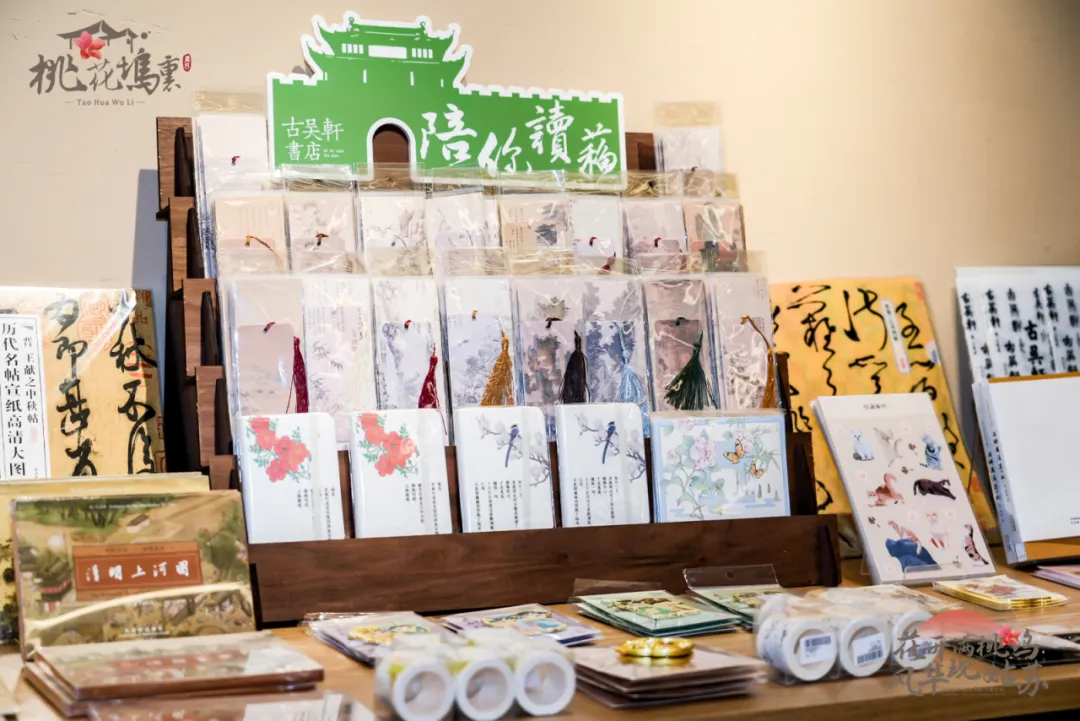
The innovation in Taohuawu lies in breaking the boundaries between culture, tourism, and commerce, establishing an ecosystem where they empower one another. In terms of business model integration, "dining, lodging, transportation, sightseeing, shopping, and entertainment" are no longer isolated functional modules. Traditional Chinese brands like Wansu cheongsams coexist with trendy dining options such as Pizza Hut, blending heritage craftsmanship with modern cultural retail to cater to diverse customer needs. Hotels like Manxin Mansion and Grand House target "poetic stays" and "youth socializing" respectively, offering distinct lodging experiences. This integration ensures that commercial activities become part of the cultural journey—purchasing a cheongsam is not merely a transaction but an appreciation of Suzhou-style aesthetics; enjoying a cup of coffee beside a traditional study is both relaxation and a brief immersion into the life of literati.
In the dimension of time, the design of day and night scenes expands the boundaries of experience. "Ten Scenes of Peach Blossom Cove" connect attractions like Tang Bohu's Illusion and Songyue Flowing Spring, guiding daytime cultural exploration. At night, lantern markets, holographic projections, and Pingtan performances revive classical culture through modern lighting, vividly showcasing Jiangnan cultural heritage.
The core of this integration lies in making culture not an "add-on" but the essence of commerce and tourism—centered on the theme of "humanities + peach blossoms + technology", it creates a closed loop of "sightseeing, staying, touring, learning, playing, and dining". Visitors consume not just goods or services but a deep dive into Jiangnan culture and literati spirit, while businesses gain unique competitiveness through cultural ambiance.
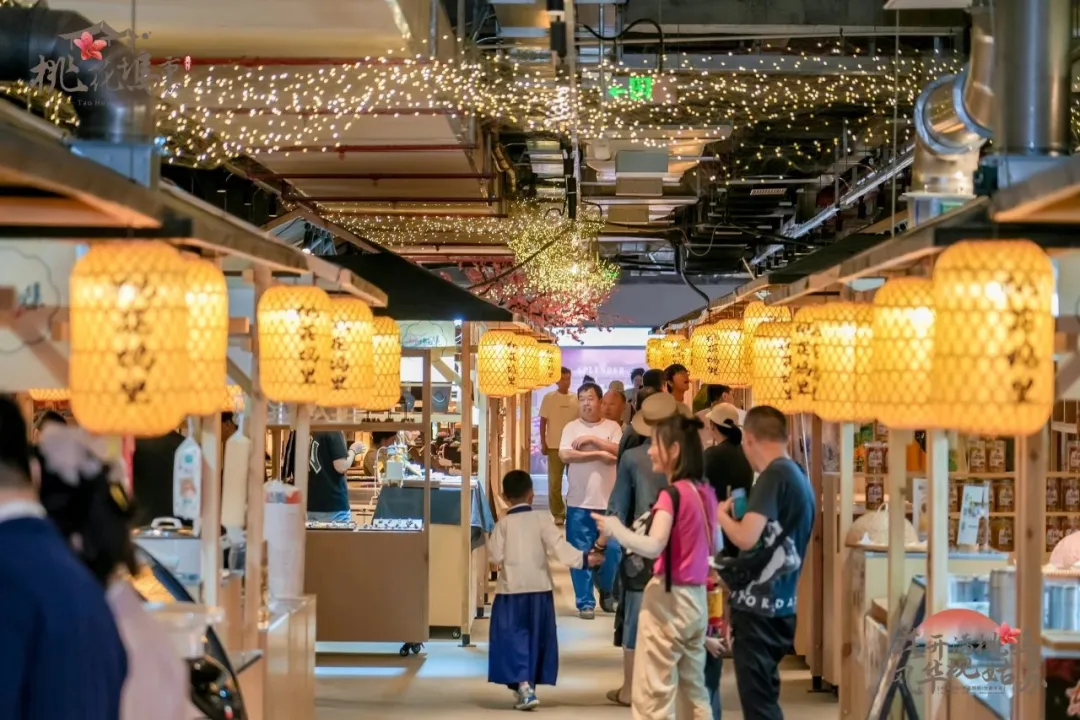
The practice at DoBe TAOHUAWU addresses the core proposition of historical and cultural city renewal—how to revitalize while preserving, and preserve while revitalizing. Under the policy direction of "expanding the cultural, commercial, and tourism influence of the ancient city" in Suzhou's Gusu District, the project remains rooted in its local context: its location connects cultural attractions such as the North Temple Pagoda, Bao'en Temple, and Tang Bohu's former residence, creating a regional synergy. The choice of businesses balances the daily consumption needs of local residents with the experiential demands of tourists, avoiding the common pitfall of "cultural and tourism projects becoming disconnected from the local community".
From the silence of industrial factories to the revitalization of a cultural, commercial, and tourism district, the transformation of Taohuawu offers a replicable approach to ancient city renewal: the innovation of cultural tourism projects lies not in chasing novel concepts but in a profound understanding and contemporary reinterpretation of history and culture. When Tang Bohu's poetry no longer remains confined to textbooks, when the memories of the silk weaving factory are no longer locked away in old photos, and when the charm of Suzhou-style living becomes tangible, this land truly achieves its value rebirth—"from antiquity to new life"—becoming a vibrant vessel for nurturing life and preserving culture.