DoBe Inspects Benchmark Cultural Tourism Projects in Tokyo and Osaka, Japan
Recently, DoBe Group conducted research in Japan, delving into core cultural tourism scenarios in Tokyo and Osaka. The study focused on projects such as Toyosu Senkyaku Banrai, Daikanyama T-Site, and the Expo 2025 Osaka, exploring practical approaches for revitalizing traditional IPs and spatial innovation under new consumption trends, seeking operational paradigms for China's cultural tourism industry to expand globally.
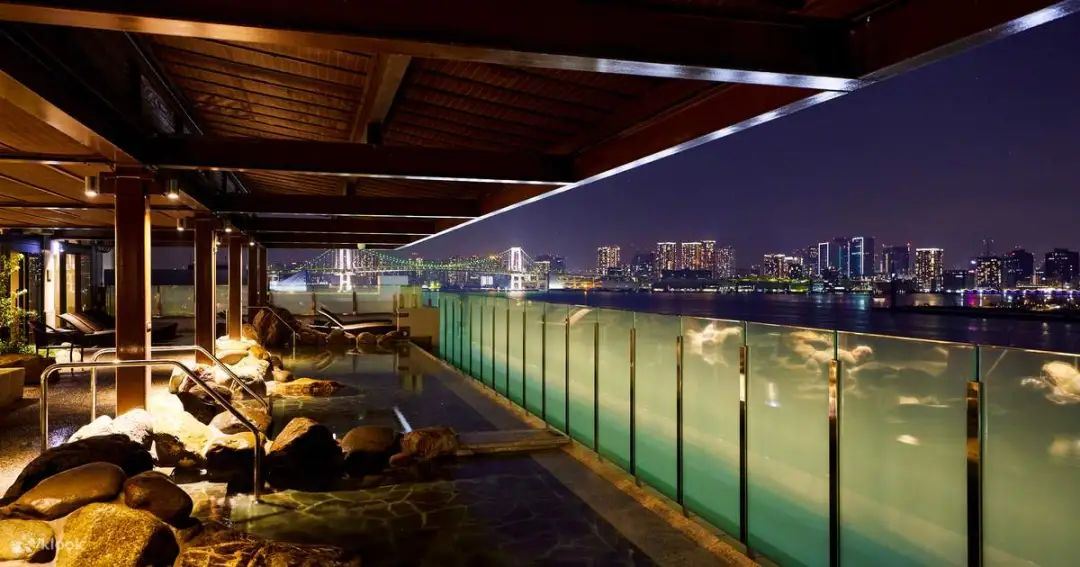
As a modern expression of Tsukiji Market's 80-year cultural heritage, Toyosu Senkyaku Banrai, which opened in February 2024, has redefined the cultural tourism value of traditional markets. The project adopts a three-dimensional framework of "market + hot spring + culture", completing the transformation from Tsukiji Market to an integrated cultural tourism complex. The dining experience area gathers numerous merchants, while the hot spring zone features 24-hour operation and Tokyo Bay night views. Through immersive cultural designs like Edo-style decorations and culinary experience activities, the project enhances visitors' cultural engagement. With considerable expected annual visitor numbers, it will effectively boost surrounding commercial activities and regional property values, becoming a benchmark case for traditional IP transformation.
If Toyosu Senkyaku Banrai revitalizes traditional IPs through cross-industry business model integration, then Daikanyama T-Site elevates this logic to the pervasive integration of "culture as life" into its scenarios. As the core of the area, the Daikanyama Tsutaya Books breaks traditional commercial boundaries. With the concept of "lifestyle proposals", it creates open spaces that transform cultural content into tangible consumption scenarios. Beyond books, cultural and creative products, and coffee offerings, it also provides personalized services like pet care and bicycle customization, reinforcing the "culture as life" experience. This store attracts a large number of tourists annually, and its parent company covers a vast user base through a points system, creating a consumption loop that demonstrates how cultural IPs achieve long-term appeal by integrating into daily life scenarios.
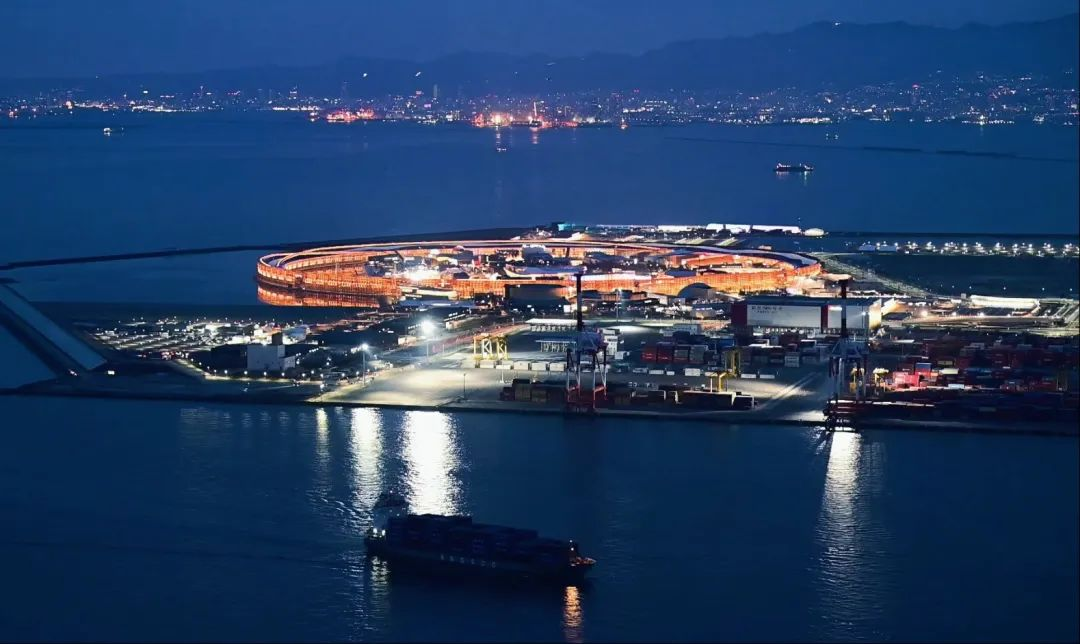
While Tokyo's cultural and tourism innovations focus on "modern expressions of local culture", the Expo 2025 Osaka showcased its ability to "integrate global resources in a scenario-based manner". The Expo builds a global cultural tourism network through interactive future scenarios, combining technological displays with cultural experiences to attract massive foot traffic. The convenient transportation network connected by the Shinkansen promotes cross-city consumption, forming a new consumption loop of "local experiences + global synergy", providing fresh insights for the development of the worldwide cultural tourism industry.
Japan's cultural tourism industry uses culture as its foundation and scenarios as bridges to achieve the transformation from "traffic to value", providing a clear path for China's cultural tourism sector to expand globally. Leveraging the findings from this research, DoBe will utilize its resource integration strengths to establish international platforms for Chinese cultural tourism enterprises, connecting them with global market demands, introducing advanced operational concepts, embedding Chinese cultural IPs into the international tourism ecosystem through "experience scenarios", fostering deep Sino-foreign industrial cooperation, and enabling the realization and growth of Chinese cultural tourism value in global markets.

